Pale skin may be considered a natural skin tone for many people, and in such cases, there is nothing to worry about. However, when the skin suddenly looks much lighter than usual, dull, or lifeless, it may be an indication that something is not right inside the body. The sudden paleness can sometimes point to some health concerns that should not be ignored.
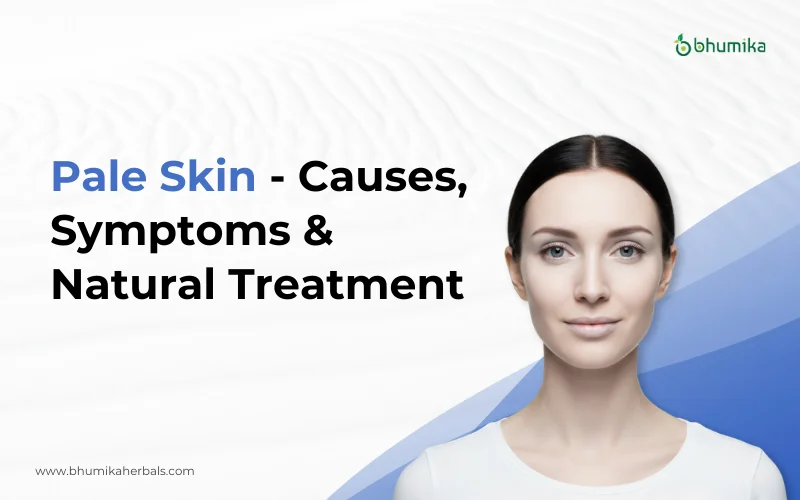
Pale skin, also called pallor, can appear in people with any skin tone. You may be able to improve mild paleness with simple home remedies; however, serious cases need medical attention. In this article, we will learn about pale skin in detail, including its causes, signs, and ways to manage it.
What is Pale Skin?
When understanding the pale skin meaning, it refers to an unusual lightening of the skin. It may appear in a small area of the skin or affect the body more widely. Apart from the face and body, paleness can also be seen in certain areas, such as fingernails, tongue, the soft lining inside the mouth, and the inner surface of the lower eyelids.
The changes in skin colour do not always point to a health problem, but sudden pale skin can be a sign of an underlying issue. Poor diet and reduced blood flow are common reasons for pale skin.
Causes of Pale Skin
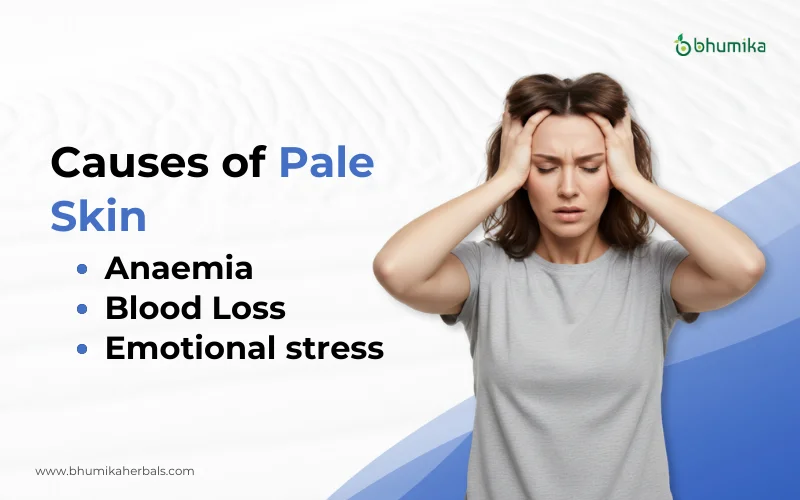
When there is reduced blood flow to the skin, it may look pale. Pale skin can also occur when the body lacks red blood cells, which is a condition known as anaemia. There is a common belief that paleness is related to skin pigment, but in most cases, it is related to the circulation of blood. Some common pale skin causes include:
- Anaemia: It occurs when your body lacks enough red blood cells or haemoglobin. Anaemia can be caused by low iron levels, vitamin B12 deficiency, or conditions that affect the production of blood cells or their survival in the body.
- Blood Loss: Sudden or long-term blood loss can also make your skin look pale. Blood loss may happen due to various reasons, including injuries, surgeries, internal bleeding, or heavy menstrual cycles.
- Shock: Shock is a serious medical condition in which blood and oxygen do not reach the organs properly. Symptoms of shock include pale skin, low blood pressure, fast heartbeat, and confusion.
- Poor blood flow: There are certain health issues that can reduce circulation, which include blocked arteries, Raynaud’s condition, or sudden tightening of blood vessels. When there is reduced blood flow, your skin may look pale or slightly bluish, especially on the hands and feet.
- Low blood pressure: Blood pressure can drop due to various reasons, including dehydration, medicines, or any medical conditions. It causes less blood to reach the skin, resulting in a pale appearance.
- Underactive thyroid: Hypothyroidism is a condition that can affect the body’s metabolism. Common symptoms include tiredness, weight gain, sensitivity to cold, dry, and pale skin.
- Nutrition Deficiency: When your body lacks enough nutrients like iron, vitamin B12, or folate, it can lower red blood cell levels, resulting in pale skin.
- Long-term illnesses: Medical conditions such as kidney disease, liver problems, cancer, or immune system disorders can affect the body overall and result in skin paleness.
- Side effects of medicines: Certain medicines, such as those used for blood pressure, cancer treatments, mental health, and some antibiotics, may cause your skin to look lighter than usual.
- Infections and inflammation: Certain infections or inflammatory diseases like lupus or arthritis can affect blood circulation and lead to a pale skin tone.
- Emotional stress: Strong emotions such as fear, anxiety, or sudden stress can temporarily reduce blood flow to the skin, making it appear pale.
Effective Tips to Treat Pale Skin
You might find it difficult to deal with pale skin sometimes. But with proper care and some practical tips, it is possible to improve your skin’s natural tone and make it look healthier and more radiant over time.
Follow a Healthy Diet
To bring back your natural skin tone and reduce paleness, making some small changes in your diet is very important. What you eat has a direct impact on how your skin looks and feels. When dealing with pale skin, your body needs more vitamins and nutrients that can support healthy blood flow and skin colour. Follow a diet rich in antioxidants, healthy fats, and minerals such as iron and zinc.
Include green leafy vegetables, dates, jaggery, raisins, and fruits like pomegranate, papaya, and cherries in your meals to treat anaemia. Non-vegetarians can add meats such as beef or pork for better iron intake. Also, foods like fish, chicken, seafood, beans, nuts, seeds, and vegetables such as broccoli can help improve overall skin health and brightness.
Maintain a Proper Skincare Routine
It is essential to follow a basic skincare routine, regardless of your age or skin type, to help improve skin texture and bring back a healthy glow. A CTM routine will keep the skin clean and well-nourished.
Adding gentle exfoliation and face masks to your skincare routine can further help remove dead skin cells and improve brightness. Along with skincare, drink enough water daily to keep your skin hydrated, fresh, and youthful.
Seek Medical Advice
We all know that anaemia is one of the common causes of pale skin, which should not be ignored. Upon noticing unusual paleness, consult a doctor at the earliest to find the exact reason. With the right diagnosis and treatment, you can prevent the condition from worsening and help maintain overall health.
Home Remedies for Pale Skin
Simple home remedies can help improve the appearance of pale skin and bring back a natural glow. Here are certain natural ingredients that can be used at home to tackle pale skin:
Tomato
Tomato benefits for skin include exfoliation and brightening effects. Tomatoes help to remove dead skin cells and provide an even skin tone. They are also rich in vitamin C, which helps protect the skin and maintain its natural colour.
Directions:
- Slice a fresh tomato and massage it over your face in circular motions.
- Allow the juice to dry and rinse with cold water.
- Repeat this remedy three to four times a week for visible improvement.
Sandalwood Face Mask
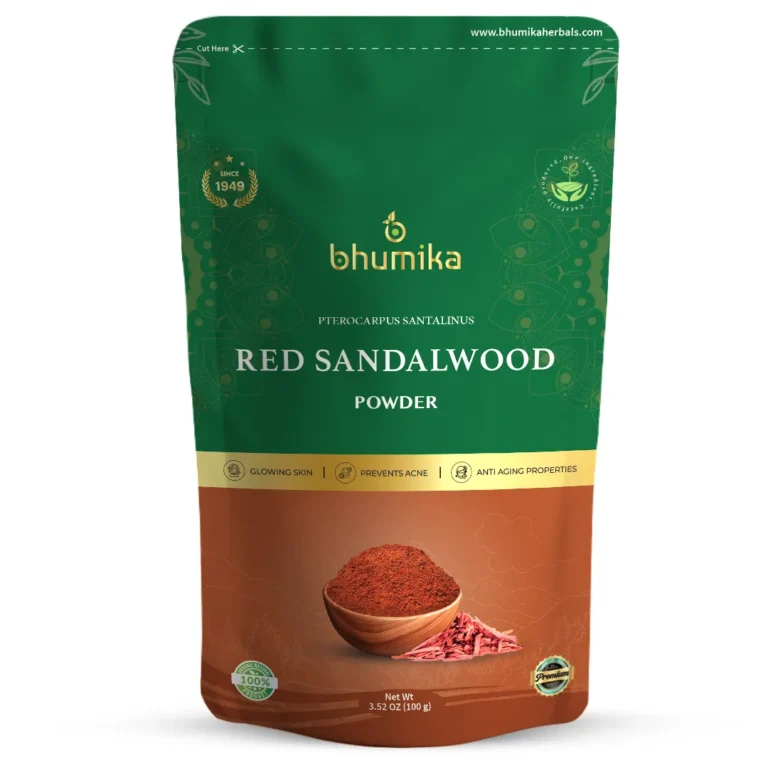
Sandalwood, known for its cooling and soothing properties, can help reduce dullness, deal with skin problems like acne, and treat pale skin as well.
Directions:
- Mix sandalwood powder with a small amount of turmeric and milk to form a smooth paste.
- Apply it evenly on your face and leave it on until it dries.
- Rinse off with plain water.
- Use this mask twice a week.
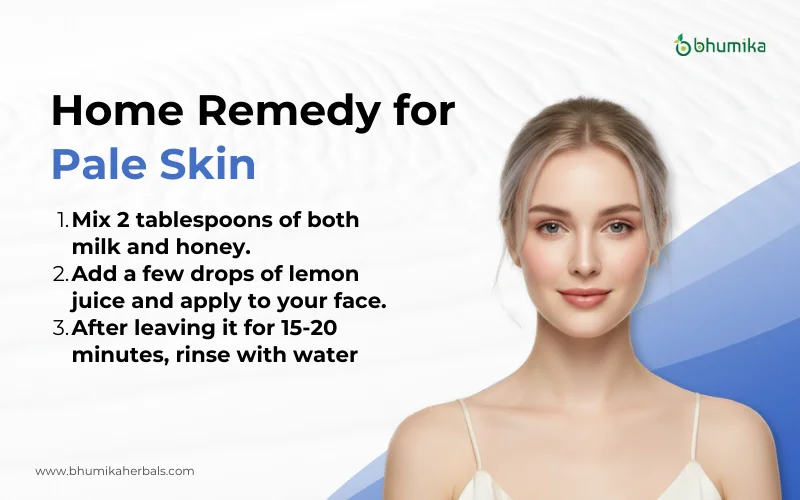
Milk and Honey
Milk, which contains lactic acid, can remove the dead skin cells, whereas honey can nourish the skin and promote skin repair.
Directions:
- Mix two tablespoons of milk with two tablespoons of honey until well combined.
- Add a few drops of lemon juice and apply the mixture evenly on the face.
- After leaving it on for 15 to 20 minutes, rinse with water.
- Use this remedy once a week.
Aloe Vera
By using aloe vera gel for face, you can achieve fresher, smoother, and radiant skin. It contains antioxidants that can support skin repair. Aloe vera can also regulate the activity of the tyrosinase enzyme, which contributes to melanin production.
Directions:
- Cut a fresh aloe vera leaf and extract the gel.
- Apply the gel directly onto clean skin and massage lightly.
- Use it daily to treat pale skin.
Pale Skin vs Fair Skin
Pale skin is often mistaken for fair skin, but they are not the same. Fair skin indicates a natural, healthy, and bright complexion, whereas pale skin may be related to an underlying health issue. Pale skin can cause your skin to appear dull or lighter than usual. So understanding the difference can help you identify whether your skin tone is naturally fair or if it needs medical attention.
Characteristics | Pale Skin | Fair Skin |
Skin tone | Skin appears light in an unusual manner. | Bright or porcelain-like complexion. |
Appearance | Skin appears dull or unhealthy | Skin appears healthy, radiant, and vibrant |
Causes | Common causes include health issues such as anemia, vitamin deficiencies, or low blood pressure. | Not related to any health problems. |
Development | May develop suddenly | Present from birth or naturally over time. |
Possibility | People with any skin tone can experience paleness. | People with fair skin are naturally bright, but they can also turn pale. |
Takeaway
Pale skin can occur due to many reasons, such as vitamin deficiencies, anaemia, low blood pressure, or any other health conditions. Understanding the cause is important for choosing the right treatment. Even though mild paleness may not be serious, sudden or widespread paleness may indicate a more serious problem. In such cases, it is important to consult a doctor to check for any underlying health issues and ensure proper care.
Frequently Asked Questions on Pale Skin
Is pale skin a sign of good health?
Pale skin is not always a sign of good health. Some people naturally have a light complexion, which is normal. However, if the skin suddenly becomes very pale or dull, it may indicate a health issue such as poor blood flow, anemia, or vitamin deficiencies. If paleness appears suddenly or is accompanied by other symptoms, it is advisable to consult a doctor.
What does it mean if my skin is pale?
Pale skin means the skin appears lighter than usual. It may occur due to tiredness, lack of sunlight, low iron levels, or reduced blood circulation. While mild paleness can be normal, a sudden change along with weakness or dizziness may require medical evaluation to determine the underlying cause and appropriate treatment.
What deficiency makes skin pale?
Pale skin is commonly linked to deficiencies that affect red blood cells. Iron deficiency is one of the most common causes and can lead to anemia. A deficiency of vitamin B12 or folate may also reduce the blood’s ability to carry oxygen, causing the skin to appear lighter or dull.